Address
304 North Cardinal St.
Dorchester Center, MA 02124
Work Hours
Monday to Friday: 7AM - 7PM
Weekend: 10AM - 5PM
Among stars and galaxies, knowledge becomes endless.
The cosmos is a boundless expanse, stretching far beyond what our eyes can see. From tiny particles to massive galaxies, everything is connected in a grand design that has been unfolding for billions of years.
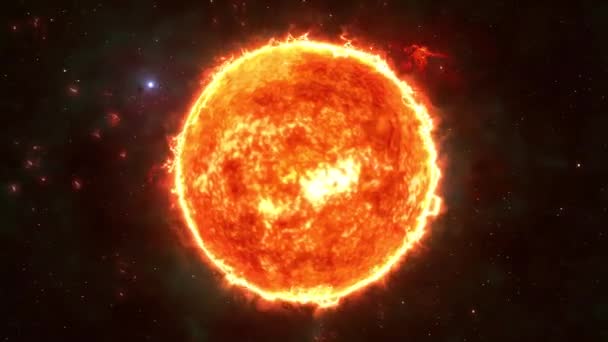
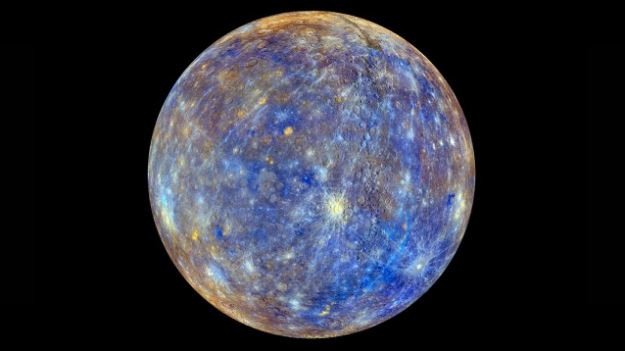
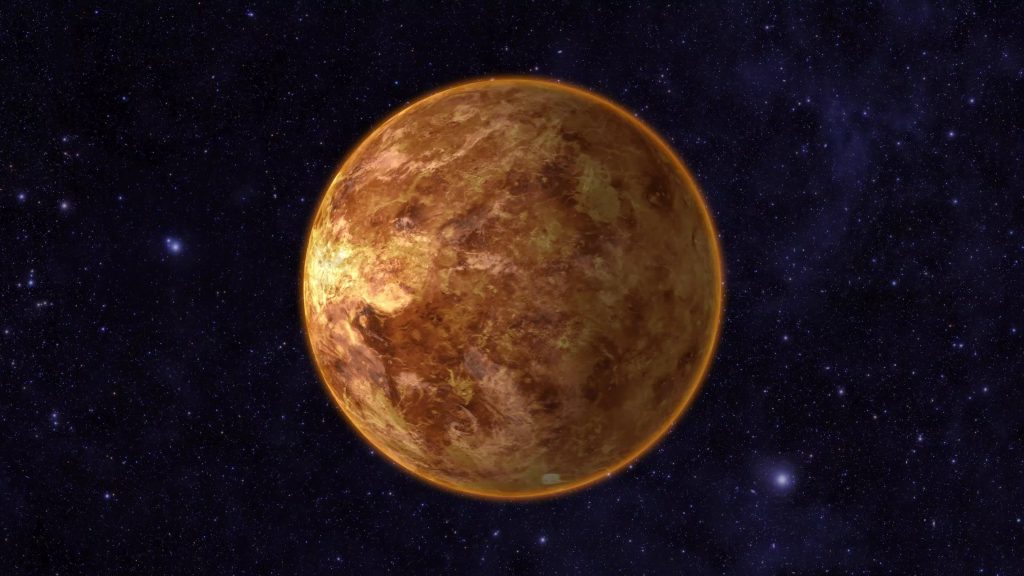
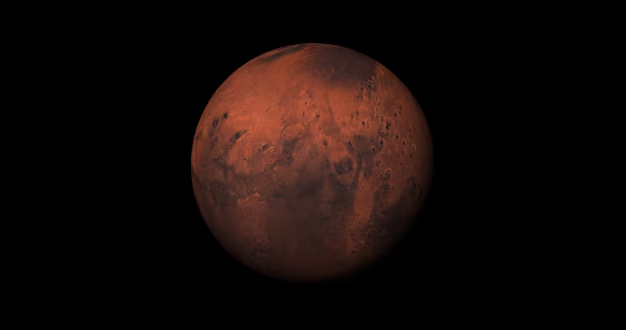
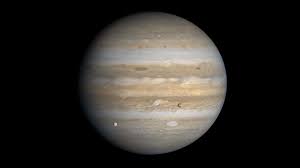
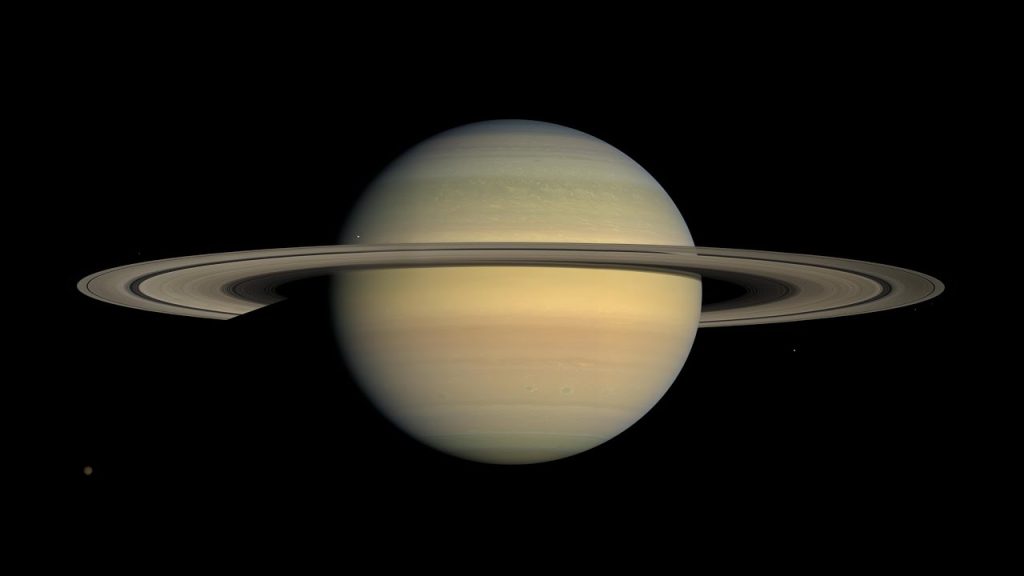
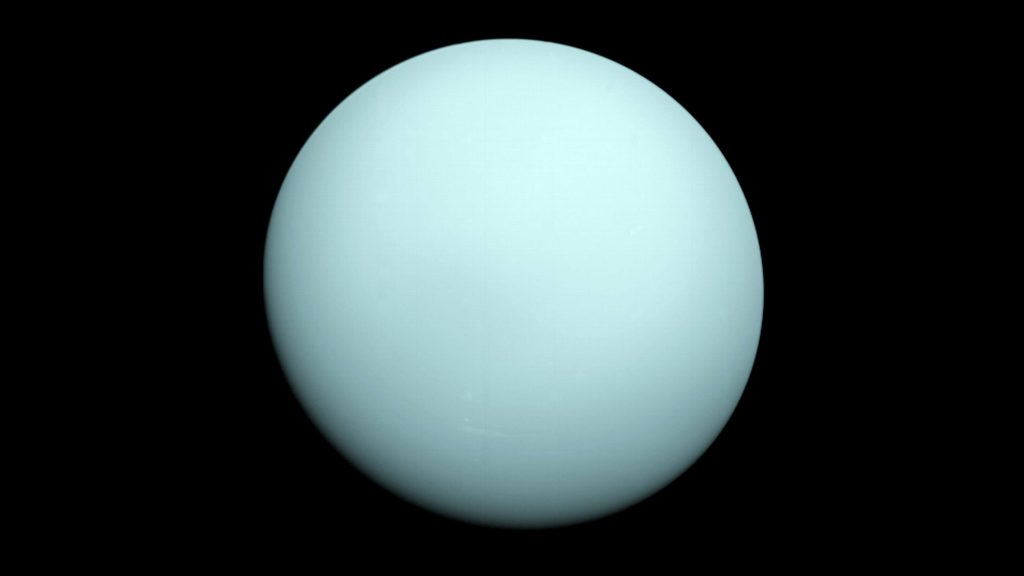
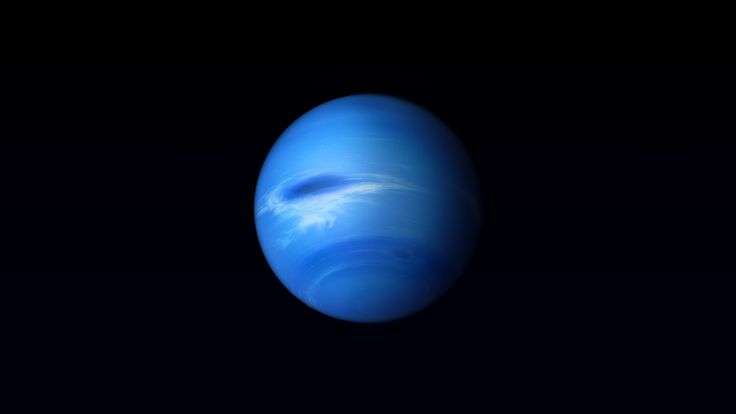
The solar system consists of the Sun and eight planets that orbit around it. The Sun, as the center, provides light and energy, while the planets—each with their own unique size, color, and character—circle around it in harmony, creating our cosmic home.
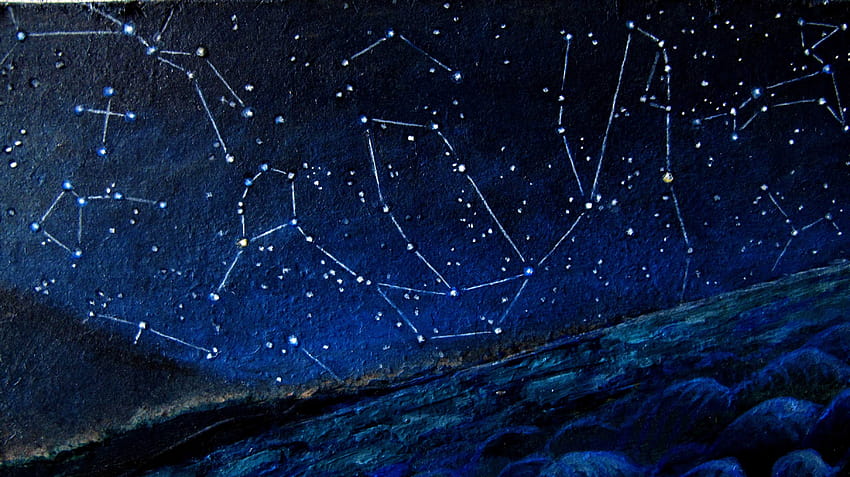
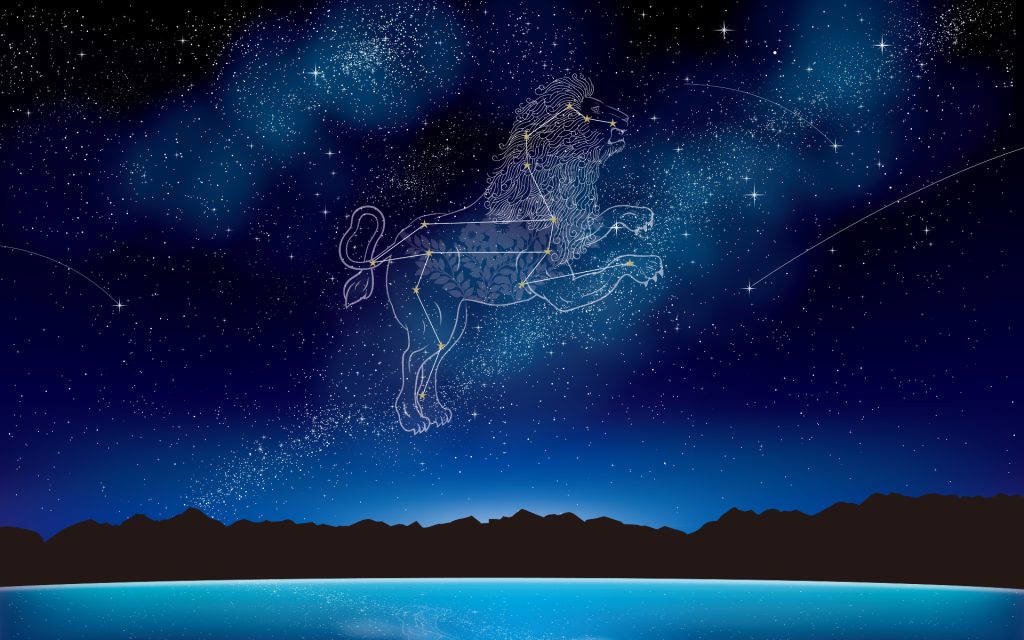
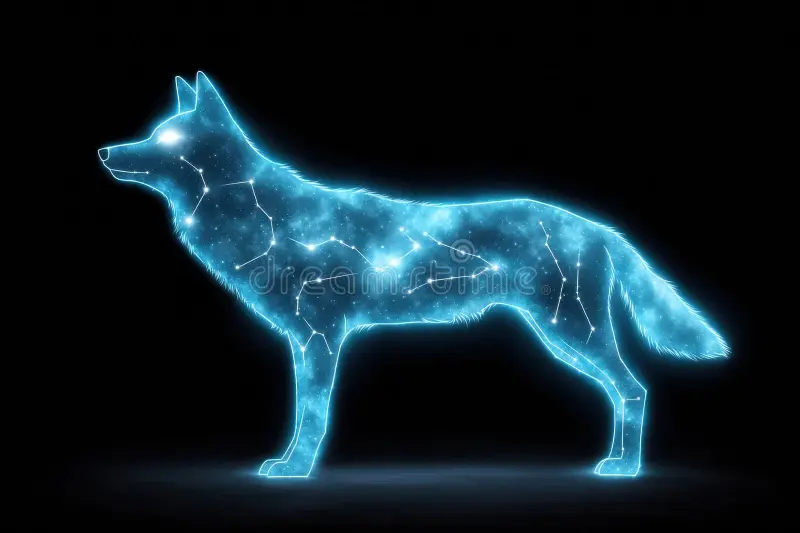
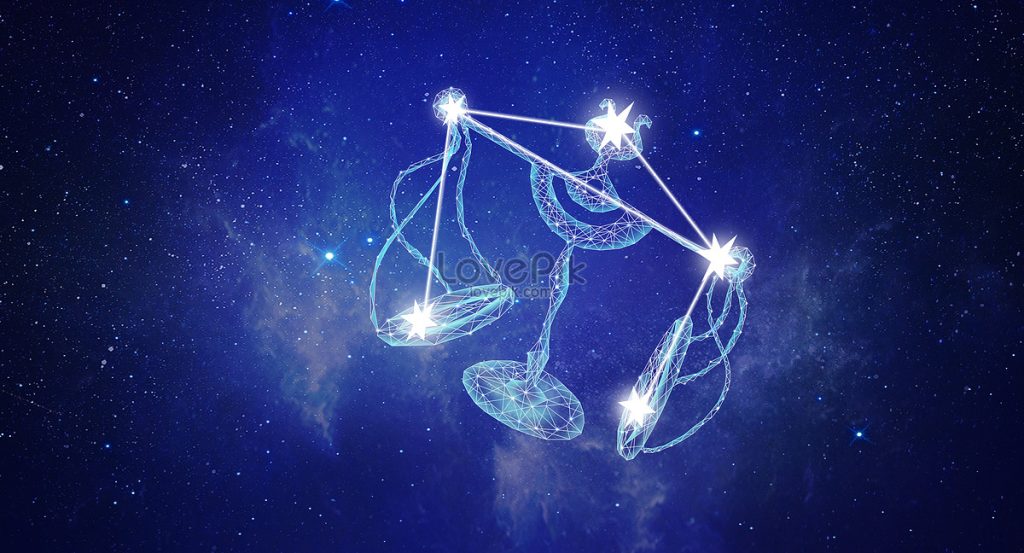
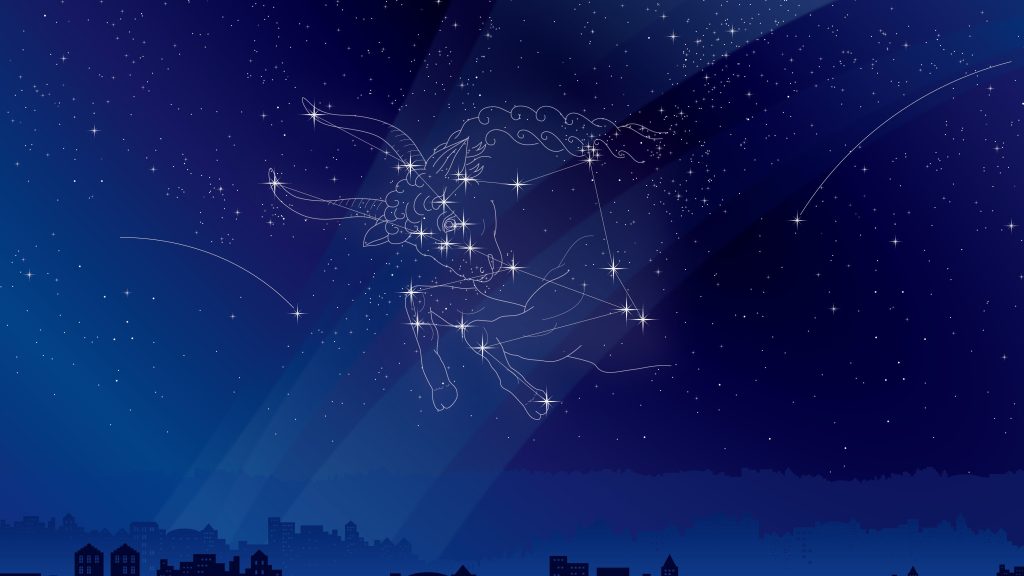
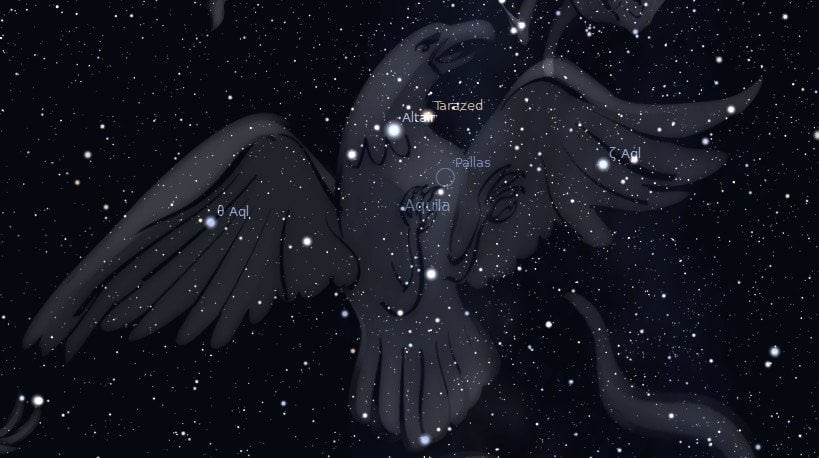
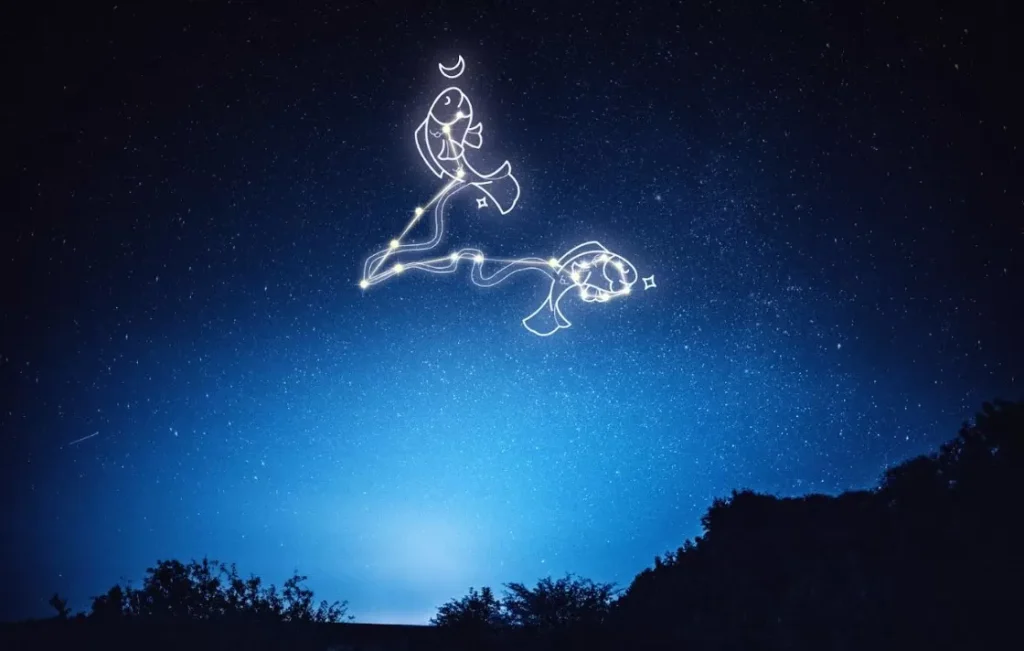
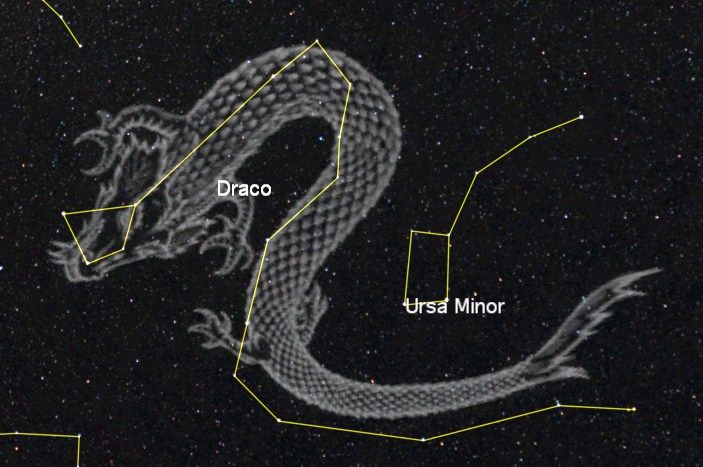
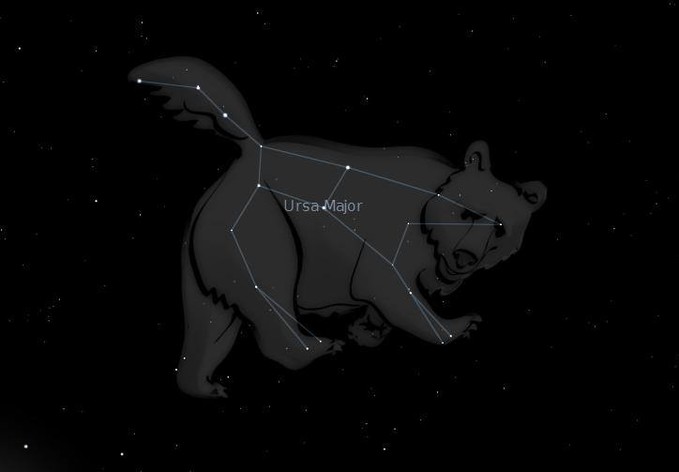
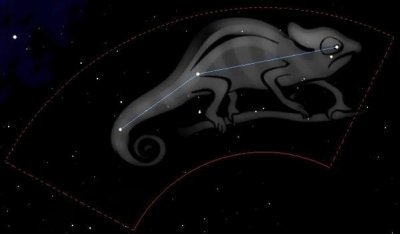
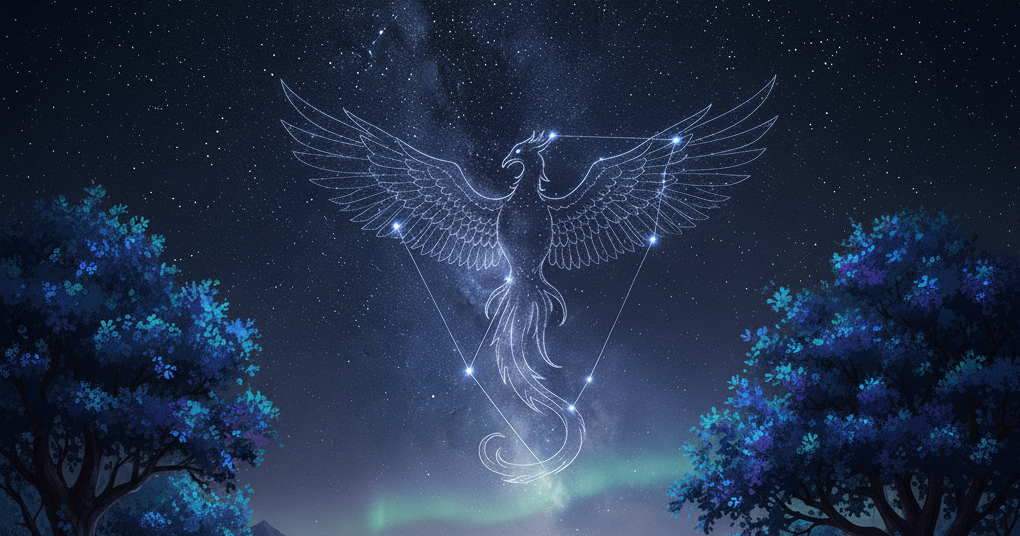
Constellations are patterns formed by stars in the night sky. These arrangements, often imagined as shapes of animals, objects, or mythical figures, have fascinated humans for millennia. Beyond their beauty, constellations have served practical purposes: they helped early civilizations navigate the seas, track the changing seasons, and organize calendars.
Throughout history, cultures across the world have given their own stories and meanings to the same star patterns, turning the night sky into a canvas of myths, legends, and guidance. Observing constellations allows us to connect with both the past and the vastness of space, reminding us of our small yet meaningful place in the cosmos.
These are some well-known constellations that can be observed from Earth:
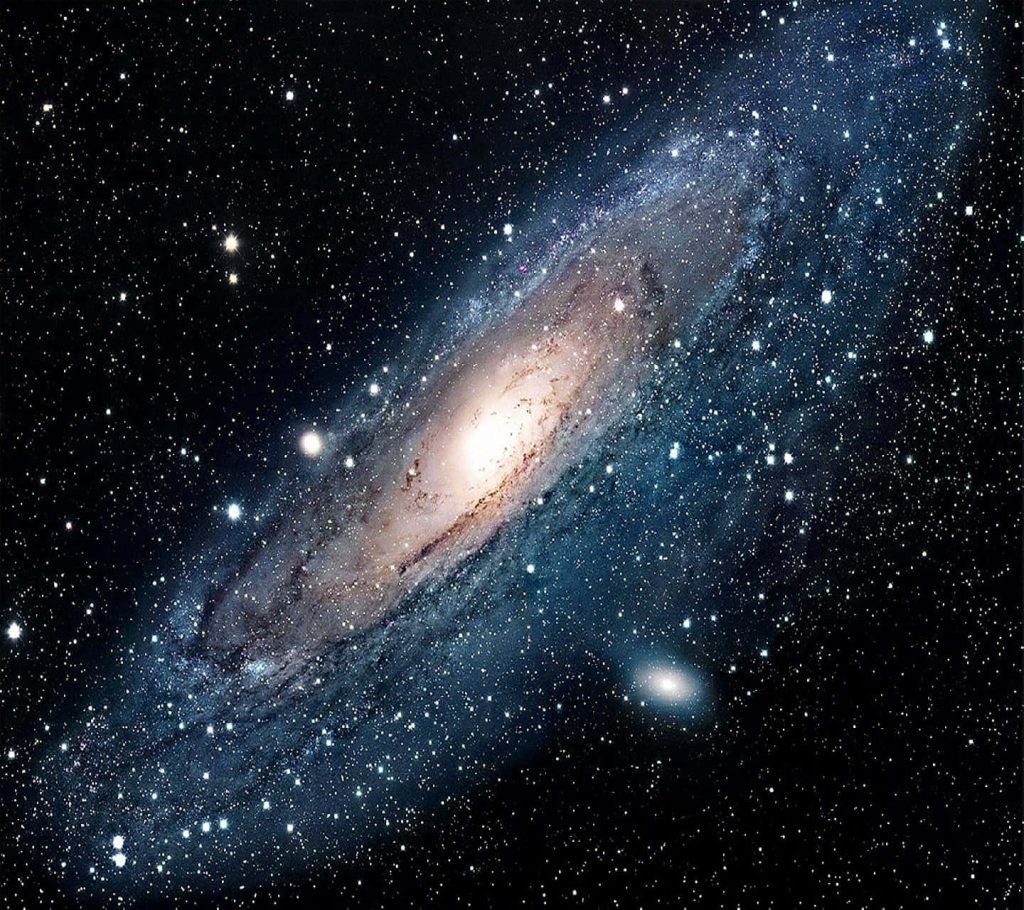
A galaxy is a massive collection of stars, gas, dust, and dark matter bound together by gravity. Galaxies are often described as “islands of stars” floating in the vast universe. They come in various shapes, such as spirals, ellipticals, and irregular forms.
Our own galaxy, the Milky Way, contains billions of stars, including our Sun. Another famous galaxy, Andromeda, is the closest spiral galaxy to us and is on a slow collision course with the Milky Way though this will not happen for billions of years.
Studying galaxies helps scientists understand the structure of the universe, its history, and its possible future. They remind us that our solar system is just one small part of a much greater cosmic expanse.
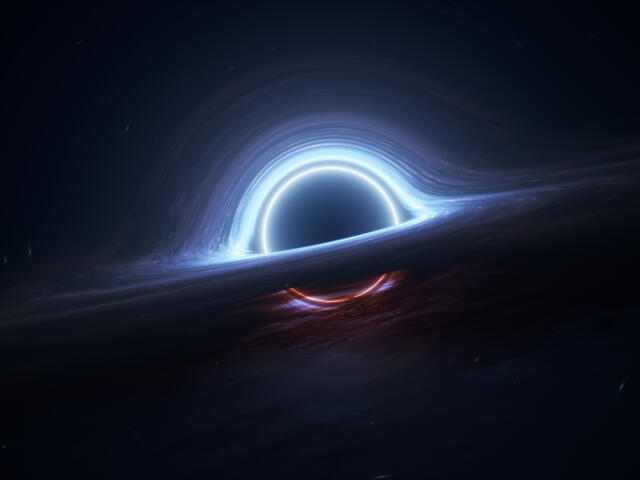
A black hole is one of the most mysterious objects in the universe. It forms when a massive star collapses under its own gravity, creating a region where the pull of gravity is so strong that nothing not even light can escape.
Black holes vary in size. Some are only a few times the mass of the Sun, while supermassive black holes, found at the centers of galaxies, can be millions or even billions of times more massive. The Milky Way itself harbors a supermassive black hole known as Sagittarius A.
Though invisible, black holes reveal their presence by the way they affect nearby stars and gas. They continue to challenge our understanding of physics and inspire wonder about the unseen mysteries of the cosmos.